|
The 2026 Gasoline Engine Evolution: Powering a Sustainable Future
The global automotive landscape in 2026 is witnessing a remarkable technical renaissance in Gasoline Engine manufacturing. While the transition to electrification continues, the Modern Internal Combustion Engine (ICE) has evolved into a highly efficient, "hybrid-ready" power center that remains the backbone of global mobility.
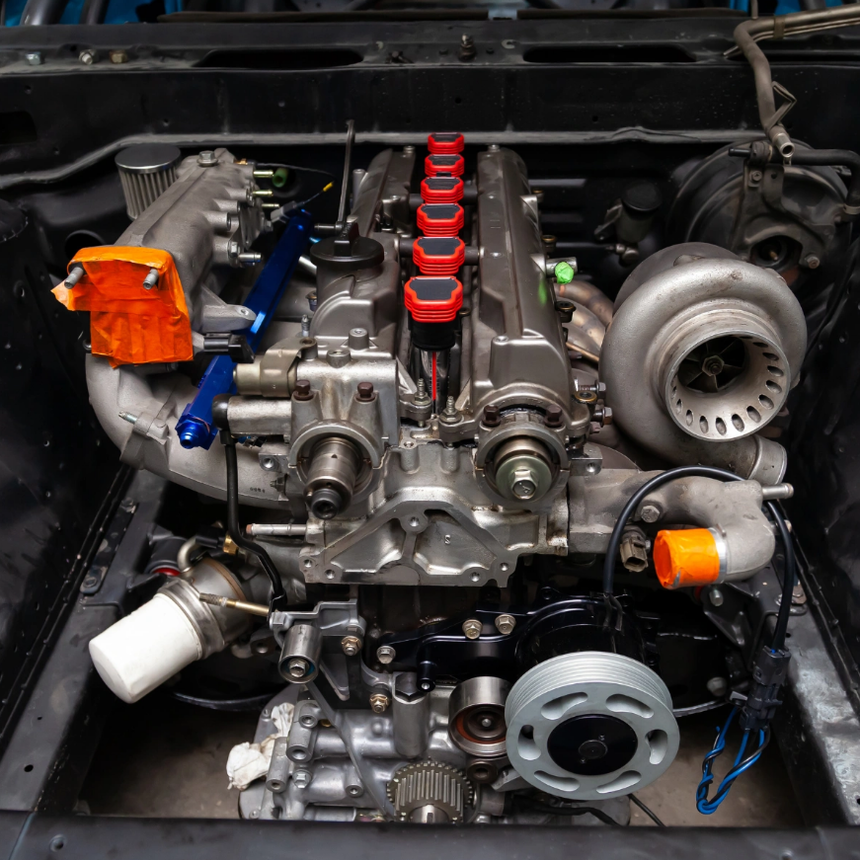
Today’s gasoline engines are no longer just about raw displacement; they are about Thermal Efficiency. The industry has shifted toward "High-Efficiency Downsizing," where smaller displacement engines utilize Advanced Turbocharging and Gasoline Direct Injection (GDI) to deliver superior torque while significantly reducing fuel consumption. Technologies like Variable Valve Timing (VVT) and low-friction coatings are now standard, ensuring compliance with the latest Euro 7 and China 6b emission regulations.
A major trend for 2026 is the optimization of gasoline engines for Hybrid Electric Vehicles (HEVs). Manufacturers are increasingly adopting the Atkinson Cycle and Miller Cycle to prioritize fuel economy over traditional power curves. These "Hybrid-Ready" engines operate seamlessly with electric motors, providing a carbon-conscious solution without sacrificing the range and reliability that professional buyers and end-users demand.
Furthermore, the industry is exploring Synthetic E-fuels, which allow high-performance gasoline engines to operate with near-zero net carbon emissions. This innovation ensures that the gasoline engine remains a vital, sustainable, and high-tech component of the automotive supply chain for decades to come.
|